 Gabriella D'Agostino
Korean Beef Short Ribs Recipe
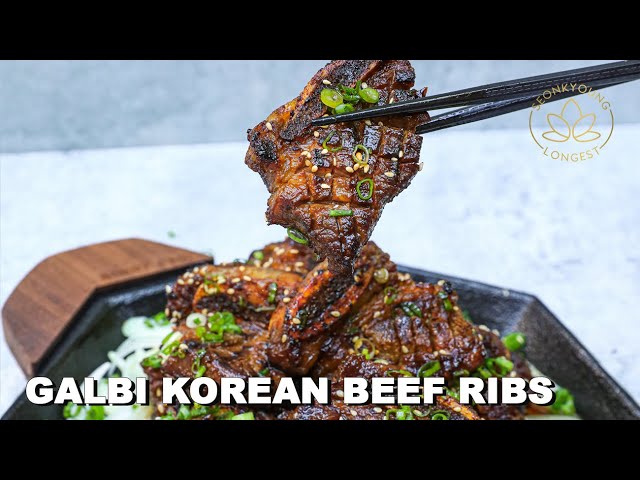
Korean beef short ribs, also known as galbi, are a popular dish in Korean cuisine. They are made with short ribs that are marinated in a sweet and savory sauce and then grilled or roasted. The ribs are typically served with a side of rice and a variety of banchan (side dishes).
To make Korean beef short ribs, you will need the following ingredients:
- 1 pound beef short ribs
- 1/2 cup soy sauce
- 1/4 cup brown sugar
- 1/4 cup rice vinegar
- 1/4 cup water
- 2 tablespoons sesame oil
- 2 cloves garlic, minced
- 1 tablespoon grated ginger
- 1 teaspoon black pepper
Instructions:
- In a large bowl, combine the soy sauce, brown sugar, rice vinegar, water, sesame oil, garlic, ginger, and black pepper. Whisk until well combined.
- Add the beef short ribs to the marinade and turn to coat. Cover and refrigerate for at least 4 hours, or overnight.
- Preheat your grill or oven to 350 degrees Fahrenheit.
- Remove the beef short ribs from the marinade and discard the marinade.
- Grill or roast the beef short ribs for 1 hour, or until cooked through. Let the ribs rest for 10 minutes before slicing and serving.
Benefits:
- Korean beef short ribs are a good source of protein.
- They are also a good source of iron, zinc, and vitamin B12.
- The marinade helps to tenderize the ribs and gives them a delicious flavor.
Tips:
Tip 1: Use a good quality beef short rib. The better the quality of the meat, the better the ribs will be.
Tip 2: Marinate the ribs for at least 4 hours, or overnight. This will give the marinade time to penetrate the meat and flavor it throughout.
Tip 3: Cook the ribs over indirect heat. This will help to prevent them from drying out.
Tip 4: Let the ribs rest for 10 minutes before slicing and serving. This will help the juices to redistribute throughout the meat.
Tip 5: Serve the ribs with a side of rice and a variety of banchan (side dishes).
Korean beef short ribs are a delicious and easy-to-make dish that is perfect for any occasion. With a little preparation, you can enjoy this classic Korean dish in the comfort of your own home.
Korean Beef Short Ribs Recipe
Korean beef short ribs, or galbi, is a beloved dish in Korean cuisine, renowned for its delectable flavors and cultural significance. To delve deeper into the essence of this culinary masterpiece, let’s explore eight key aspects:
- Marination: Essential for tenderizing the meat and infusing it with savory flavors.
- Ingredients: Soy sauce, brown sugar, garlic, ginger, and sesame oil form the aromatic marinade.
- Cooking Method: Grilling or roasting allows for a caramelized exterior and juicy interior.
- Short Ribs: Beef short ribs provide a rich and flavorful base for the dish.
- Garnish: Green onions and sesame seeds add a vibrant touch and enhance the taste.
- Banchan: Side dishes like rice and kimchi complement the ribs, creating a balanced meal.
- Occasion: Galbi is often served during special occasions and gatherings, symbolizing celebration and togetherness.
- Cultural Significance: Korean beef short ribs embody Korean culinary traditions and are deeply rooted in the country’s food culture.
In conclusion, these key aspects provide a comprehensive understanding of Korean beef short ribs recipe. The marinade’s alchemy of flavors, the choice of short ribs, and the traditional cooking methods all contribute to the dish’s unique taste and cultural significance. Whether enjoyed as a celebratory meal or a casual indulgence, Korean beef short ribs continue to captivate palates and hearts.
Marination
Marination is a culinary technique that involves soaking meat in a seasoned liquid for an extended period. This process not only tenderizes the meat but also infuses it with a symphony of flavors. In the context of Korean beef short ribs, marination plays a pivotal role in achieving the dish’s signature taste and texture.
- Tenderizing: Marinades contain enzymes that break down the proteins in the meat, resulting in a more tender and succulent dish. The longer the meat marinates, the more tender it will become.
- Flavor Infusion: Marinades are a flavorful tapestry of ingredients such as soy sauce, garlic, ginger, and sesame oil. These components penetrate the meat during marination, imbuing it with a complex and savory taste profile.
- Moisture Retention: Marinades help retain moisture in the meat during cooking. This is especially crucial for short ribs, which can easily dry out if not properly marinated.
- Enhanced Browning: Marinades containing sugar or other caramelizing agents contribute to a beautiful browned exterior when the meat is cooked.
In the context of Korean beef short ribs, marination is an indispensable step that elevates the dish from ordinary to extraordinary. By allowing the marinade to work its magic, the ribs become incredibly tender, bursting with umami-rich flavors, and showcasing the culinary artistry of Korean cuisine.
Ingredients
In the realm of Korean beef short ribs, the marinade plays a symphony of culinary magic, transforming the humble short ribs into a masterpiece of flavor and tenderness. The aromatic marinade, a harmonious blend of soy sauce, brown sugar, garlic, ginger, and sesame oil, is the cornerstone of this beloved Korean dish.
Culinary Alchemy: The marinade acts as a transformative elixir, tenderizing the meat while infusing it with a captivating symphony of flavors. Soy sauce, the salty backbone of the marinade, provides a savory depth that is perfectly balanced by the sweetness of brown sugar. Garlic and ginger add a pungent and aromatic dimension, while sesame oil lends a nutty richness that is distinctively Korean.
Practical Significance: Understanding the importance of the marinade in Korean beef short ribs is not merely an academic exercise; it is a practical necessity for achieving the dish’s signature taste and texture. Without the marinade’s tenderizing and flavor-enhancing effects, the short ribs would be tough and bland, a far cry from the delectable dish we know and love.
Cultural Connection: The ingredients used in the marinade are deeply rooted in Korean culinary traditions. Soy sauce, a ubiquitous ingredient in Korean cuisine, adds not only flavor but also a sense of authenticity. Brown sugar provides a caramelized sweetness that is reminiscent of traditional Korean barbecue sauces. Garlic, ginger, and sesame oil are staples in Korean cooking, adding their unique flavors to a wide range of dishes.
In conclusion, the marinade in Korean beef short ribs is not just a culinary technique; it is a cultural touchstone that elevates the dish from ordinary to extraordinary. By understanding the connection between the marinade and the final product, we gain a deeper appreciation for the artistry and tradition behind this beloved Korean dish.
Cooking Method
In the culinary realm, cooking methods hold immense significance in shaping the taste, texture, and overall experience of a dish. In the context of Korean beef short ribs, the choice of grilling or roasting plays a pivotal role in achieving the dish’s signature caramelized exterior and juicy interior.
- Caramelization and Flavor Development: Grilling or roasting subjects the ribs to high heat, causing the sugars in the marinade to caramelize. This process creates a tantalizing crust that not only enhances the ribs’ visual appeal but also develops a rich, complex flavor profile.
- Maillard Reaction: The high heat also triggers the Maillard reaction, a chemical reaction between amino acids and reducing sugars that produces a symphony of flavors and aromas. This reaction contributes to the distinctive savory and umami notes characteristic of grilled or roasted Korean beef short ribs.
- Moisture Retention: While grilling or roasting can create a caramelized exterior, it is equally important to maintain the juiciness of the ribs’ interior. The combination of high heat and controlled cooking time allows the ribs to sear quickly, locking in their natural juices and preventing them from drying out.
- Smoke Infusion: Grilling over charcoal or wood imparts a subtle smoky flavor to the ribs, adding an extra layer of complexity to their taste profile. This smoky undertone complements the sweet and savory notes of the marinade, creating a harmonious balance of flavors.
In conclusion, the cooking method of grilling or roasting is not merely a technical consideration in the preparation of Korean beef short ribs; it is an integral part of the dish’s culinary identity. By understanding the connection between cooking method and the resulting caramelized exterior and juicy interior, we gain a deeper appreciation for the artistry and expertise that goes into creating this beloved Korean dish.
Short Ribs
In the culinary realm, the choice of meat plays a pivotal role in shaping the taste, texture, and overall experience of a dish. In the context of Korean beef short ribs, the use of beef short ribs is not merely a random selection; it is a deliberate decision that contributes significantly to the dish’s distinctive character and flavor profile.
Flavorful Foundation: Beef short ribs are renowned for their inherent richness and robust flavor. The presence of intramuscular fat within the ribs infuses the meat with a natural juiciness and depth of taste. This inherent flavor serves as a solid foundation upon which the marinade and cooking methods can further enhance and develop the ribs’ taste profile.
Collagen and Tenderness: Short ribs are also characterized by their collagen content. Collagen is a connective tissue that breaks down during the cooking process, resulting in tender and succulent meat. The slow braising or grilling techniques commonly used in Korean beef short rib recipes allow ample time for the collagen to break down, yielding fall-off-the-bone tenderness.
Practical Significance: Understanding the importance of beef short ribs as a component of Korean beef short ribs recipe extends beyond theoretical knowledge. This understanding empowers home cooks and culinary professionals alike to make informed decisions when selecting ingredients for their dishes.
For instance, substituting short ribs with other cuts of beef may result in a dish that lacks the depth of flavor and tenderness that is characteristic of Korean beef short ribs. By recognizing the unique contributions of beef short ribs, individuals can ensure that their culinary creations align with the authentic flavors and textures of this beloved Korean dish.
Garnish
In the realm of Korean beef short ribs, the garnish of green onions and sesame seeds is not merely a decorative afterthought; it is an integral component that elevates the dish to its full potential, both aesthetically and gastronomically.
Visual Appeal: Green onions and sesame seeds add a vibrant splash of color and texture to the plate, contrasting beautifully with the rich, caramelized ribs. This visual appeal enhances the overall presentation of the dish, making it even more enticing to the eye.
Taste Enhancement: Green onions and sesame seeds not only add visual appeal but also contribute to the dish’s taste profile. Green onions impart a fresh, slightly pungent flavor that cuts through the richness of the ribs, providing a refreshing balance. Sesame seeds, on the other hand, add a nutty, earthy flavor that complements the savory notes of the marinade.
Cultural Significance: The use of green onions and sesame seeds as a garnish in Korean beef short ribs is deeply rooted in Korean culinary traditions. Green onions are a staple ingredient in many Korean dishes, adding a characteristic freshness and pungency. Sesame seeds, with their nutty flavor and nutritional value, are also widely used in Korean cuisine, lending their unique touch to a variety of dishes.
Understanding the importance of green onions and sesame seeds as a garnish in Korean beef short ribs is not just a matter of culinary knowledge; it is a key to unlocking the dish’s full potential. By incorporating this simple yet effective garnish, home cooks and culinary professionals alike can elevate their dishes, creating a vibrant and flavorful experience that captures the essence of Korean cuisine.
Banchan
In the culinary tapestry of Korean beef short ribs, the inclusion of banchan, an ensemble of side dishes, is not merely an afterthought; it is an integral part of the dining experience, contributing to the dish’s overall harmony and nutritional balance.
Complementary Flavors: Banchan offers a delightful contrast to the rich and flavorful short ribs. Rice, with its mild and starchy nature, serves as a palate cleanser, allowing diners to savor the ribs’ bold flavors without overpowering their taste buds. Kimchi, on the other hand, adds a vibrant sourness and spiciness, cutting through the richness of the ribs and adding a refreshing dimension to the meal.
Nutritional Diversity: Banchan not only enhances the taste of Korean beef short ribs but also contributes to its nutritional value. Rice provides essential carbohydrates, while kimchi is a rich source of vitamins, minerals, and probiotics that support gut health. By incorporating banchan into the meal, diners can ensure a well-rounded and nutritious dining experience.
Cultural Significance: Banchan holds a significant place in Korean culinary traditions. It is customary to serve a variety of banchan with Korean meals, showcasing the country’s diverse culinary heritage. In the context of Korean beef short ribs, banchan adds authenticity to the dish, providing a glimpse into the traditional Korean dining experience.
Understanding the connection between banchan and Korean beef short ribs recipe is crucial for those seeking to create a truly authentic and balanced meal. By incorporating a variety of banchan into their dishes, home cooks and culinary professionals alike can elevate their Korean beef short ribs to new heights, offering a dining experience that is both flavorful and nutritious.
Occasion
In the realm of Korean cuisine, “galbi,” or Korean beef short ribs, transcends its culinary significance to become deeply intertwined with Korean culture and traditions. Its presence at special occasions and gatherings is not merely a coincidence; it is a testament to the dish’s symbolic and communal value.
- Celebration and Festivity: Galbi is a centerpiece dish during Korean holidays, festivals, and family celebrations. Its rich and flavorful nature embodies the spirit of joy and merriment, adding a touch of culinary grandeur to these special occasions.
- Symbol of Abundance: In Korean culture, galbi represents abundance and prosperity. Its presence on the table during special gatherings signifies a wish for wealth, good fortune, and a bountiful harvest. This symbolism adds an auspicious dimension to the dining experience.
- Communal Bonding: The act of sharing galbi fosters a sense of togetherness and camaraderie. The communal aspect of grilling or cooking the ribs together, and the subsequent sharing of the meal, reinforces the bonds between family and friends.
- Cultural Heritage: Galbi is deeply rooted in Korean culinary heritage. Its preparation and consumption have been passed down through generations, connecting Koreans to their ancestors and preserving a cherished culinary tradition.
Understanding the connection between galbi and special occasions enhances our appreciation for this beloved Korean dish. It is not merely a culinary delight but also a symbol of celebration, abundance, and communal bonding. By incorporating galbi into their special gatherings, Koreans honor their cultural heritage and create lasting memories centered around this iconic dish.
Cultural Significance
The cultural significance of Korean beef short ribs extends far beyond their culinary appeal. They are deeply embedded in Korean culinary traditions and hold a special place in the country’s food culture.
- Historical Origins: Korean beef short ribs trace their roots back to ancient Korean agricultural practices. Cattle were raised for both labor and food, and short ribs were a highly valued cut of meat. Over time, unique cooking methods and marinades evolved, shaping the distinctive flavor and preparation techniques we know today.
- Communal Dining: Korean beef short ribs are often enjoyed during communal gatherings, such as family celebrations, holidays, and festivals. The act of grilling or cooking the ribs together fosters a sense of togetherness and shared experience.
- Culinary Symbolism: In Korean culture, beef short ribs symbolize prosperity, abundance, and good fortune. Their presence on the table during special occasions represents a wish for wealth and blessings.
- Regional Variations: Korean beef short ribs exhibit regional variations across different provinces in Korea. Each region has its own unique marinade and cooking style, reflecting the diverse culinary heritage of the country.
Understanding the cultural significance of Korean beef short ribs enhances our appreciation for this beloved dish. It is not merely a culinary delight but also a symbol of Korean identity, tradition, and communal bonding. Incorporating Korean beef short ribs into our meals and gatherings allows us to connect with Korean culture and savor a taste of its rich culinary heritage.
Korean beef short ribs, also known as galbi, is a beloved Korean dish cherished for its bold flavors and cultural significance. The dish features succulent beef short ribs marinated in a savory blend of soy sauce, garlic, ginger, and sesame oil, then grilled or roasted to perfection.
Korean beef short ribs hold a special place in Korean cuisine and are often served during special occasions and gatherings. They embody abundance, prosperity, and communal bonding. The act of sharing and enjoying this dish fosters a sense of togetherness and strengthens the bonds between family and friends.
The culinary significance of Korean beef short ribs extends beyond their taste and cultural symbolism. They are deeply rooted in Korean history, tracing their origins back to ancient agricultural practices. The unique preparation techniques and marinades used in making galbi have evolved over centuries, reflecting the country’s rich culinary heritage.
Korean Beef Short Ribs Recipe FAQs
This section addresses frequently asked questions about Korean beef short ribs to provide comprehensive information and clarify any misconceptions.
Question 1: What is the best cut of beef to use for Korean beef short ribs?
The most suitable cut of beef for Korean beef short ribs is the short rib, specifically the bone-in short rib. This cut offers the ideal balance of meat and fat, resulting in tender and flavorful ribs.
Question 2: How long should I marinate the beef short ribs?
The optimal marinating time for Korean beef short ribs is at least 4 hours, or overnight. This allows the marinade to penetrate deeply into the meat, infusing it with a rich and savory flavor.
Question 3: Can I cook Korean beef short ribs without grilling or roasting?
While grilling or roasting are the traditional cooking methods for Korean beef short ribs, they can also be cooked in other ways. Braising or slow-cooking the ribs in a flavorful liquid can yield equally tender and delicious results.
Question 4: What are some common side dishes served with Korean beef short ribs?
Korean beef short ribs are typically accompanied by a variety of side dishes, known as banchan. These may include rice, kimchi, pickled vegetables, and steamed or grilled vegetables.
Question 5: Is Korean beef short ribs a spicy dish?
The level of spiciness in Korean beef short ribs varies depending on the marinade used. Some recipes may include spicy ingredients like gochujang (Korean chili paste), while others may be more mild.
Question 6: Can I make Korean beef short ribs ahead of time?
Yes, Korean beef short ribs can be prepared ahead of time. The marinated ribs can be refrigerated for up to 24 hours before cooking. This makes them a convenient option for meal planning or entertaining guests.
In summary, Korean beef short ribs are a versatile and flavorful dish that can be enjoyed in various settings. By understanding the nuances of the recipe and addressing common questions, you can confidently prepare and savor this culinary delight.
Conclusion
Korean beef short ribs, known as galbi, are a culinary masterpiece that has captivated taste buds worldwide. Through this extensive exploration of the “Korean beef short ribs recipe” keyword, we have delved into the intricate details that make this dish extraordinary.
From the meticulous selection of beef short ribs to the art of marinating and cooking, each step in the preparation process holds cultural significance and contributes to the dish’s distinctive flavors and textures. We have also explored the various accompaniments and side dishes that complement galbi, offering a glimpse into the richness and diversity of Korean cuisine.
Understanding the essence of Korean beef short ribs goes beyond following a recipe; it is an invitation to appreciate the cultural heritage and traditions that have shaped this beloved dish. By embracing the culinary techniques and flavors of galbi, we not only savor a delicious meal but also connect with the heart and soul of Korea.
Youtube Video: