 Gabriella D'Agostino
Tuna Casserole Recipe Without Soup
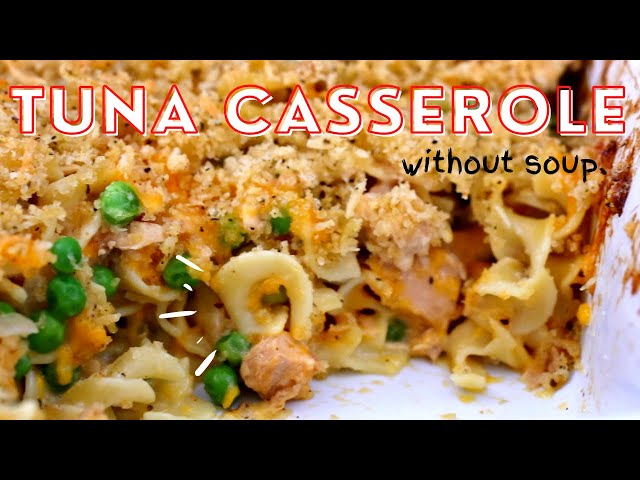
Tuna casserole is a classic dish that is easy to make and can be tailored to your own taste. This recipe for tuna casserole without soup is a healthier version of the traditional dish, and it is just as delicious. The casserole is made with tuna, pasta, vegetables, and a creamy sauce. It is a great way to use up leftover tuna, and it is also a good source of protein and vegetables.
Ingredients:
- 1 can (12 ounces) tuna, drained
- 1 cup cooked pasta
- 1 cup chopped celery
- 1 cup chopped onion
- 1 cup chopped carrots
- 1 cup milk
- 1/2 cup flour
- 1/4 cup butter
- 1/4 teaspoon salt
- 1/4 teaspoon black pepper
Instructions:
- Preheat oven to 350 degrees F (175 degrees C).
- In a large bowl, combine the tuna, pasta, celery, onion, carrots, milk, flour, butter, salt, and pepper.
- Pour the mixture into a 9×13 inch baking dish.
- Bake for 25 minutes, or until the casserole is bubbly and the top is golden brown.
Benefits:
- This recipe is a healthier version of the traditional tuna casserole, as it does not contain any soup.
- The casserole is a good source of protein and vegetables.
- It is a great way to use up leftover tuna.
Tips:
- You can use any type of pasta in this recipe, but short pasta, such as macaroni or penne, works best.
- If you do not have any cooked pasta, you can cook it according to the package directions and then add it to the casserole.
- You can also add other vegetables to this casserole, such as peas, corn, or green beans.
- If you want a creamier casserole, you can add more milk or cream to the sauce.
- You can also top the casserole with shredded cheese before baking it.
This tuna casserole recipe without soup is a delicious and easy-to-make meal that is perfect for any occasion.
Essential Aspects of Tuna Casserole Recipe Without Soup
Tuna casserole is a classic dish that can be enjoyed by people of all ages. However, traditional tuna casserole recipes often contain soup, which can add unnecessary calories and fat. This recipe for tuna casserole without soup is a healthier alternative that is just as delicious and satisfying.
- Tuna: The main ingredient in this casserole is tuna. Tuna is a good source of protein, omega-3 fatty acids, and other nutrients.
- Pasta: Pasta is another important ingredient in this casserole. It provides carbohydrates, fiber, and other nutrients.
- Vegetables: This recipe calls for a variety of vegetables, including celery, onion, and carrots. Vegetables add flavor, texture, and nutrients to the casserole.
- Milk: Milk is used to make the sauce for this casserole. Milk provides calcium, protein, and other nutrients.
- Flour: Flour is used to thicken the sauce for this casserole. Flour also provides carbohydrates and other nutrients.
- Butter: Butter is used to add flavor and richness to the sauce for this casserole. Butter also provides vitamins A and E.
- Seasonings: Seasonings, such as salt and pepper, are used to add flavor to this casserole.
These key aspects all work together to create a delicious and nutritious tuna casserole without soup. This casserole is a good source of protein, carbohydrates, fiber, and other nutrients. It is also a versatile dish that can be easily customized to your own taste.
Tuna
Tuna is an excellent source of lean protein, essential for building and maintaining healthy muscles, tissues, and organs. It is also a good source of omega-3 fatty acids, which are important for heart health, brain function, and inflammation reduction. Additionally, tuna is a good source of vitamins and minerals, including vitamin D, vitamin B12, selenium, and phosphorus.
In a tuna casserole recipe without soup, tuna is the main ingredient, providing the majority of the protein and nutrients. The other ingredients in the casserole, such as pasta, vegetables, and milk, complement the tuna and provide additional nutrients and flavor.
Choosing high-quality tuna for your casserole is important. Look for tuna that is sustainably caught and packed in water or olive oil. Avoid tuna packed in oil, as this will add unnecessary calories and fat to your dish.
Tuna casserole without soup is a healthy and delicious meal that is perfect for a weeknight dinner or a casual lunch. It is a good source of protein, omega-3 fatty acids, and other nutrients. It is also a versatile dish that can be easily customized to your own taste.
Pasta
Pasta is an important component of tuna casserole recipe without soup because it provides carbohydrates, fiber, and other nutrients. Carbohydrates are the body’s main source of energy, and fiber is important for digestive health. Pasta also adds bulk to the casserole, making it more filling and satisfying.
In a tuna casserole recipe without soup, pasta is typically cooked al dente, or “to the tooth.” This means that the pasta is cooked until it is tender but still has a slight bite to it. This prevents the pasta from becoming mushy and overcooked.
The type of pasta used in a tuna casserole recipe without soup can vary depending on personal preference. However, some of the most popular types of pasta for tuna casserole include macaroni, penne, and shells.
Pasta is a versatile ingredient that can be used in a variety of dishes. It is a good source of carbohydrates, fiber, and other nutrients. When used in a tuna casserole recipe without soup, pasta helps to create a filling and satisfying meal.
Vegetables
Vegetables are an essential component of a tuna casserole recipe without soup. They add flavor, texture, and nutrients to the dish. Celery, onion, and carrots are classic vegetables used in tuna casserole, but other vegetables can be added or substituted to taste. For example, peas, corn, or green beans are all good additions to tuna casserole.
Vegetables are important for a healthy diet, and they provide a number of health benefits. They are a good source of vitamins, minerals, and fiber. Fiber is important for digestive health, and it can help to lower cholesterol and blood sugar levels. Vitamins and minerals are essential for overall health and well-being.
In a tuna casserole recipe without soup, vegetables help to balance out the flavors of the tuna and the pasta. They also add a bit of crunch and texture to the dish. Vegetables are a healthy and delicious way to add nutrients to your tuna casserole.
Here are some tips for adding vegetables to your tuna casserole recipe without soup:
- Use a variety of vegetables. This will add flavor and texture to your casserole.
- Chop the vegetables into small pieces. This will help them to cook evenly.
- Add the vegetables to the casserole during the last 10-15 minutes of cooking. This will help to prevent them from becoming overcooked.
Vegetables are a delicious and healthy way to add flavor and nutrients to your tuna casserole recipe without soup. Experiment with different vegetables to find your favorite combination.
Milk
Milk is an essential ingredient in a tuna casserole recipe without soup. It is used to make the sauce that binds all of the ingredients together and gives the casserole its creamy texture. Milk also provides important nutrients, such as calcium, protein, and vitamin D.
- Calcium: Calcium is an essential mineral that is necessary for strong bones and teeth. Milk is a good source of calcium, and it can help to prevent osteoporosis, a condition that causes bones to become weak and brittle.
- Protein: Protein is an essential nutrient that is necessary for building and repairing tissues. Milk is a good source of protein, and it can help to keep you feeling full and satisfied.
- Vitamin D: Vitamin D is an essential nutrient that is necessary for the absorption of calcium. Milk is a good source of vitamin D, and it can help to prevent vitamin D deficiency, which can lead to a number of health problems, including osteoporosis, muscle weakness, and fatigue.
In addition to these essential nutrients, milk also contains a number of other nutrients, including potassium, magnesium, and riboflavin. These nutrients are all important for good health, and they can help to make tuna casserole a nutritious and satisfying meal.
Flour
In a tuna casserole recipe without soup, flour plays an essential role in thickening the sauce and providing additional nutrients to the dish. The flour is typically whisked into the milk and cooked over medium heat until the sauce thickens. This process creates a creamy and flavorful sauce that coats the tuna, pasta, and vegetables.
In addition to thickening the sauce, flour also provides important carbohydrates and other nutrients to the casserole. Carbohydrates are the body’s main source of energy, and they help to keep you feeling full and satisfied. Flour is also a good source of fiber, which is important for digestive health. Additionally, flour contains a number of vitamins and minerals, including iron, magnesium, and B vitamins.
Using flour to thicken the sauce in a tuna casserole recipe without soup is a simple and effective way to add flavor and nutrients to the dish. Flour is a versatile ingredient that can be used in a variety of recipes, and it is a good way to add thickness and creaminess to sauces, soups, and stews.
Butter
Butter is an important ingredient in a tuna casserole recipe without soup. It adds flavor and richness to the sauce, and it also provides important nutrients. Butter is a good source of vitamins A and E, which are both essential for good health.
Vitamin A is important for vision, immune function, and reproduction. Vitamin E is important for protecting cells from damage and for maintaining healthy skin and hair.
In addition to vitamins A and E, butter also contains other nutrients, such as calcium, phosphorus, and potassium. These nutrients are all important for good health, and they can help to make tuna casserole a nutritious and satisfying meal.
Using butter in a tuna casserole recipe without soup is a simple way to add flavor and nutrients to the dish. Butter is a versatile ingredient that can be used in a variety of recipes, and it is a good way to add richness and creaminess to sauces, soups, and stews.
Seasonings
Seasonings play a vital role in enhancing the flavor of any dish, and tuna casserole is no exception. In a tuna casserole recipe without soup, seasonings such as salt and pepper are essential for bringing out the natural flavors of the tuna, pasta, and vegetables. Salt helps to balance the sweetness of the other ingredients, while pepper adds a touch of spice and depth of flavor.
The use of seasonings in a tuna casserole recipe without soup is not only about enhancing the taste but also about creating a harmonious blend of flavors. Salt and pepper work together to create a savory and flavorful dish that is both satisfying and comforting. Additionally, seasonings can be used to adjust the flavor of the casserole to your personal preference. If you prefer a milder flavor, you can use less salt and pepper. If you prefer a more robust flavor, you can add more seasonings to taste.
In conclusion, seasonings are an essential component of a tuna casserole recipe without soup. They help to enhance the flavor of the dish, create a harmonious blend of flavors, and allow you to adjust the flavor to your personal preference. When using seasonings in your tuna casserole, start with a small amount and add more to taste. This will help you to create a delicious and flavorful casserole that everyone will enjoy.
A tuna casserole recipe without soup is a variation on the classic tuna casserole dish that omits the use of condensed soup as an ingredient. Instead, the casserole is made with a creamy sauce that is typically made from milk, flour, and butter. This variation is often preferred by those who are looking for a healthier version of tuna casserole, as it is lower in sodium and fat than traditional recipes.
Tuna casserole is a popular dish that is often served as a main course or a side dish. It is made with tuna, pasta, vegetables, and a creamy sauce. The dish is typically baked in the oven until bubbly and golden brown. Tuna casserole is a good source of protein, carbohydrates, and vegetables. It is also a relatively easy dish to make, which makes it a popular choice for busy families.
There are many different variations on the tuna casserole recipe. Some recipes call for the use of different types of pasta, such as macaroni, penne, or shells. Others add different vegetables, such as peas, corn, or green beans. Some recipes also include cheese, such as cheddar or Parmesan. The variations are endless, so you can customize the recipe to your own taste.
FAQs About Tuna Casserole Recipe Without Soup
Tuna casserole is a classic dish that can be enjoyed by people of all ages. However, traditional tuna casserole recipes often contain soup, which can add unnecessary calories and fat. This recipe for tuna casserole without soup is a healthier alternative that is just as delicious and satisfying.
Here are some frequently asked questions about tuna casserole recipe without soup:
Question 1: What are the benefits of making tuna casserole without soup?
Answer: There are several benefits to making tuna casserole without soup. First, it is a healthier option because it is lower in sodium and fat. Second, it is more flavorful because you can control the ingredients and seasonings. Third, it is more versatile because you can add or remove ingredients to suit your own taste.
Question 2: What type of pasta is best for tuna casserole?
Answer: Any type of pasta can be used for tuna casserole, but short pasta, such as macaroni or penne, works best. Short pasta is less likely to break down and become mushy during cooking.
Question 3: What vegetables can I add to tuna casserole?
Answer: Any type of vegetable can be added to tuna casserole. However, some of the most popular vegetables to add include celery, onion, and carrots. These vegetables add flavor, texture, and nutrients to the casserole.
Question 4: Can I use frozen vegetables in tuna casserole?
Answer: Yes, you can use frozen vegetables in tuna casserole. However, it is important to thaw the vegetables before adding them to the casserole. This will help to prevent the casserole from becoming watery.
Question 5: How do I make the sauce for tuna casserole without soup?
Answer: The sauce for tuna casserole without soup is made with milk, flour, and butter. The milk and flour are whisked together to form a slurry, and then the butter is added and melted. The sauce is cooked over medium heat until it thickens.
Question 6: How long do I bake tuna casserole?
Answer: Tuna casserole is typically baked for 25-30 minutes, or until it is bubbly and golden brown. The baking time may vary depending on the type of oven you are using.
These are just a few of the frequently asked questions about tuna casserole recipe without soup. If you have any other questions, please feel free to leave a comment below.
Tuna casserole is a delicious and versatile dish that can be enjoyed by people of all ages. By making tuna casserole without soup, you can create a healthier and more flavorful version of this classic dish.
Summary: Tuna casserole recipe without soup is a healthier and more flavorful alternative to traditional tuna casserole. It is easy to make and can be customized to suit your own taste. So next time you’re looking for a quick and easy meal, give tuna casserole without soup a try.
Transition to the next article section: In the next section, we will discuss some tips for making the best tuna casserole without soup.
Conclusion
Tuna casserole recipe without soup is a healthier and more flavorful alternative to traditional tuna casserole. It is easy to make, can be customized to suit your own taste, and is a good source of protein, carbohydrates, and vegetables. So next time you’re looking for a quick and easy meal, give tuna casserole without soup a try.
In this article, we have explored the benefits of making tuna casserole without soup, discussed the ingredients and instructions, and answered some frequently asked questions. We hope that this information has been helpful and that you will use it to create a delicious and healthy tuna casserole without soup.
As we conclude, we would like to leave you with a thought-provoking message: Cooking should not be a chore but rather an expression of creativity and nourishment. By experimenting with different ingredients and recipes, you can create dishes that are not only delicious but also good for you and your loved ones. So next time you’re in the kitchen, don’t be afraid to experiment and create something new.
Youtube Video: