Gabriella D'Agostino
Pasta Recipes Using Spinach
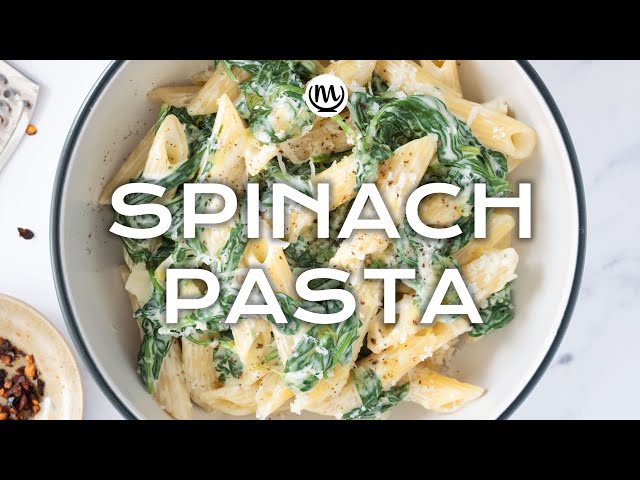
Pasta recipes using spinach are a delicious and healthy way to enjoy this leafy green vegetable. Spinach is packed with nutrients, including vitamins A, C, and K, as well as iron and folate. It is also a good source of fiber. Adding spinach to pasta dishes is a great way to boost the nutritional value of the meal without sacrificing flavor.
There are many different ways to cook pasta with spinach. One popular method is to saut the spinach in olive oil with garlic and red pepper flakes. Once the spinach is wilted, it can be added to cooked pasta and tossed with your favorite sauce. Another option is to add spinach to a creamy sauce, such as Alfredo sauce. Spinach can also be used in baked pasta dishes, such as lasagna or manicotti.
Here are some of the benefits of eating pasta recipes using spinach:
- Spinach is a good source of vitamins A, C, and K, as well as iron and folate.
- Spinach is a good source of fiber.
- Spinach can help to reduce the risk of chronic diseases, such as heart disease and cancer.
- Spinach can help to improve cognitive function.
- Spinach can help to boost energy levels.
Tips for Cooking Pasta with Spinach
Tip 1: Use fresh spinach for the best flavor and nutritional value.
Tip 2: Wash the spinach thoroughly before cooking to remove any dirt or grit.
Tip 3: Cook the spinach over medium heat until it is wilted but still has a slight crunch.
Tip 4: Add the spinach to the pasta at the end of cooking so that it does not overcook.
Tip 5: Experiment with different sauces and seasonings to find your favorite pasta recipes using spinach.
Pasta recipes using spinach are a delicious and healthy way to enjoy this leafy green vegetable. By following these tips, you can create delicious and nutritious pasta dishes that your whole family will enjoy.
Essential Aspects of Pasta Recipes Using Spinach
Pasta recipes using spinach are a delicious and healthy way to enjoy this leafy green vegetable. There are many different ways to cook pasta with spinach, and each method has its own unique flavor and texture. Here are seven key aspects to consider when cooking pasta with spinach:
- Type of pasta: The type of pasta you use will affect the overall texture and flavor of the dish. Short pastas, such as penne or rotini, work well with thick sauces, while long pastas, such as spaghetti or linguine, are better suited for light sauces.
- Freshness of spinach: Fresh spinach has the best flavor and nutritional value. If you can’t find fresh spinach, frozen spinach is a good alternative.
- Cooking method: Spinach can be cooked in a variety of ways, including sauting, steaming, or boiling. The cooking method you choose will affect the texture and flavor of the spinach.
- Sauce: The sauce you use will greatly impact the flavor of the dish. There are many different sauces that can be used with pasta and spinach, including tomato sauce, Alfredo sauce, or pesto.
- Seasonings: Seasonings can be used to enhance the flavor of the dish. Common seasonings for pasta with spinach include garlic, red pepper flakes, and Parmesan cheese.
- Garnish: A garnish can add a finishing touch to the dish. Common garnishes for pasta with spinach include fresh herbs, grated cheese, or toasted nuts.
- Nutritional value: Pasta recipes using spinach are a good source of vitamins, minerals, and fiber. Spinach is particularly high in vitamins A, C, and K, as well as iron and folate.
By considering these key aspects, you can create delicious and nutritious pasta dishes with spinach that your whole family will enjoy.
Type of pasta
The type of pasta you use can greatly impact the overall texture and flavor of your pasta recipes using spinach. Short pastas, such as penne or rotini, have a sturdy texture that can stand up to thick, hearty sauces. Long pastas, such as spaghetti or linguine, have a more delicate texture that is better suited for light, delicate sauces.
Here are some examples of how the type of pasta can affect the dish:
- Penne with spinach and tomato sauce: The short, sturdy shape of penne pasta is perfect for holding onto the thick, flavorful tomato sauce. The spinach adds a pop of color and nutrition to the dish.
- Spinach and ricotta ravioli: The delicate texture of ravioli pasta is perfect for the light, creamy ricotta filling. The spinach adds a touch of flavor and color to the dish.
- Spaghetti with spinach and pesto: The long, thin strands of spaghetti pasta are coated in a light, flavorful pesto sauce. The spinach adds a touch of color and nutrition to the dish.
By choosing the right type of pasta for your sauce, you can create a delicious and satisfying pasta dish that your whole family will enjoy.
Key insights:
- The type of pasta you use can greatly impact the overall texture and flavor of your pasta dish.
- Short pastas, such as penne or rotini, are best suited for thick, hearty sauces.
- Long pastas, such as spaghetti or linguine, are best suited for light, delicate sauces.
- By choosing the right type of pasta for your sauce, you can create a delicious and satisfying pasta dish that your whole family will enjoy.
Freshness of spinach
When it comes to pasta recipes using spinach, the freshness of the spinach can make a big difference in the overall flavor and nutritional value of the dish. Fresh spinach has a brighter, more vibrant flavor than frozen spinach, and it is also more tender. Frozen spinach, on the other hand, is more convenient and can be used in a variety of recipes.
- Flavor: Fresh spinach has a brighter, more vibrant flavor than frozen spinach. This is because fresh spinach contains more chlorophyll, which is the pigment that gives spinach its green color. Chlorophyll is also a powerful antioxidant, so fresh spinach is more nutritious than frozen spinach.
- Texture: Fresh spinach is more tender than frozen spinach. This is because fresh spinach has not been frozen and thawed, which can damage the cell walls of the spinach and make it more tough.
- Convenience: Frozen spinach is more convenient than fresh spinach. This is because frozen spinach is already washed and chopped, so it is ready to use right out of the bag. Fresh spinach, on the other hand, needs to be washed and chopped before it can be used.
Ultimately, the decision of whether to use fresh or frozen spinach in pasta recipes is a personal one. If you are looking for the best flavor and nutritional value, then fresh spinach is the best choice. However, if you are looking for convenience, then frozen spinach is a good alternative.
Additional tips for using spinach in pasta recipes
- If you are using fresh spinach, be sure to wash it thoroughly before using it. This will remove any dirt or grit.
- If you are using frozen spinach, be sure to thaw it completely before using it. This will help to prevent the spinach from becoming watery.
- Add spinach to your pasta recipes at the end of cooking. This will help to prevent the spinach from overcooking and becoming mushy.
- Experiment with different types of pasta and sauces to find your favorite spinach pasta recipe.
Cooking method
When cooking pasta recipes using spinach, the cooking method you choose will affect the texture and flavor of the spinach. There are three main cooking methods for spinach: sauting, steaming, and boiling.
- Sauting is a cooking method that involves cooking food in a pan with a small amount of oil or fat. Sauting spinach is a quick and easy way to cook spinach, and it results in spinach that is tender and flavorful. To saut spinach, heat a little olive oil in a pan over medium heat. Add the spinach to the pan and cook, stirring occasionally, until the spinach is wilted and tender, about 2-3 minutes.
- Steaming is a cooking method that involves cooking food over boiling water. Steaming spinach is a gentle cooking method that results in spinach that is tender and retains its nutrients. To steam spinach, place the spinach in a steamer basket over a pot of boiling water. Cover the pot and steam the spinach for 2-3 minutes, or until the spinach is tender.
- Boiling is a cooking method that involves cooking food in boiling water. Boiling spinach is a quick and easy way to cook spinach, but it can result in spinach that is mushy and loses some of its nutrients. To boil spinach, add the spinach to a pot of boiling water. Cook the spinach for 1-2 minutes, or until the spinach is tender.
The cooking method you choose for spinach will depend on your personal preferences and the recipe you are using. If you are looking for a quick and easy way to cook spinach, sauting or boiling are good options. If you are looking for a gentle cooking method that will retain the nutrients in the spinach, steaming is a good option.
No matter which cooking method you choose, be sure to cook the spinach until it is tender but still has a slight crunch. Overcooked spinach will be mushy and lose its flavor.
Sauce
The sauce you use with your pasta recipes using spinach will greatly impact the flavor of the dish. There are many different sauces that can be used with pasta and spinach, each with its own unique flavor profile. Here are a few examples:
- Tomato sauce: Tomato sauce is a classic sauce that is made with tomatoes, garlic, onions, and herbs. It is a versatile sauce that can be used with a variety of pasta shapes and vegetables. Tomato sauce is a good choice for pasta recipes using spinach because the acidity of the tomatoes helps to balance out the bitterness of the spinach.
- Alfredo sauce: Alfredo sauce is a creamy sauce that is made with butter, cream, and Parmesan cheese. It is a rich and flavorful sauce that is perfect for pasta recipes using spinach. The creaminess of the sauce helps to coat the spinach and make it more tender.
- Pesto sauce: Pesto sauce is a green sauce that is made with basil, olive oil, pine nuts, and Parmesan cheese. It is a flavorful and aromatic sauce that is perfect for pasta recipes using spinach. The basil in the pesto sauce helps to brighten up the flavor of the spinach.
When choosing a sauce for your pasta recipes using spinach, it is important to consider the other ingredients in the dish. For example, if you are using a salty cheese, such as Parmesan, you may want to choose a sauce that is less salty. You may also want to consider the texture of the sauce. For example, if you are using a thick sauce, such as a tomato sauce, you may want to use a pasta shape that is sturdy enough to hold up to the sauce.
With so many different sauces to choose from, you are sure to find the perfect sauce for your pasta recipes using spinach. Experiment with different sauces to find your favorite combinations.
Key insights:
- The sauce you use will greatly impact the flavor of your pasta recipes using spinach.
- There are many different sauces that can be used with pasta and spinach, each with its own unique flavor profile.
- Consider the other ingredients in the dish when choosing a sauce.
- Experiment with different sauces to find your favorite combinations.
Seasonings
Seasonings are an essential part of any pasta dish, and they can be used to enhance the flavor of the dish in a variety of ways. When it comes to pasta recipes using spinach, there are a few common seasonings that are used to great effect. These seasonings include garlic, red pepper flakes, and Parmesan cheese.
- Garlic: Garlic is a versatile seasoning that can be used to add flavor to a variety of dishes. In pasta recipes using spinach, garlic is often used to add a savory depth of flavor. Garlic can be minced, sliced, or chopped, and it can be added to the dish at any stage of cooking.
- Red pepper flakes: Red pepper flakes are a great way to add a bit of heat to pasta recipes using spinach. Red pepper flakes can be added to the dish at any stage of cooking, but they are often added towards the end of cooking to prevent them from becoming too bitter.
- Parmesan cheese: Parmesan cheese is a classic seasoning for pasta dishes, and it can be used to add a salty, nutty flavor to the dish. Parmesan cheese can be grated or shaved, and it can be added to the dish at any stage of cooking.
These are just a few of the many seasonings that can be used to enhance the flavor of pasta recipes using spinach. By experimenting with different seasonings, you can create a dish that is uniquely your own.
Garnish
A garnish is a small amount of food that is added to a dish to enhance its appearance or flavor. Garnishes can be made from a variety of ingredients, including fresh herbs, grated cheese, toasted nuts, and even edible flowers. When it comes to pasta recipes using spinach, there are a few common garnishes that are used to great effect.
- Fresh herbs: Fresh herbs, such as basil, parsley, and oregano, can add a bright and flavorful touch to pasta recipes using spinach. Herbs can be chopped and sprinkled over the pasta, or they can be used to make a flavorful pesto sauce.
- Grated cheese: Grated cheese, such as Parmesan or Romano, can add a salty and nutty flavor to pasta recipes using spinach. Cheese can be grated over the pasta, or it can be used to make a creamy cheese sauce.
- Toasted nuts: Toasted nuts, such as pine nuts or almonds, can add a crunchy and flavorful touch to pasta recipes using spinach. Nuts can be toasted in a pan on the stovetop, or they can be roasted in the oven.
Garnishes are a great way to add a finishing touch to pasta recipes using spinach. By experimenting with different garnishes, you can create a dish that is uniquely your own.
Nutritional value
Pasta recipes using spinach are a good source of vitamins, minerals, and fiber. Spinach is particularly high in vitamins A, C, and K, as well as iron and folate. These nutrients are essential for good health and can help to protect against a variety of chronic diseases.
Vitamin A is important for vision, immune function, and reproduction. Vitamin C is important for immune function, wound healing, and antioxidant protection. Vitamin K is important for blood clotting and bone health. Iron is important for red blood cell production and oxygen transport. Folate is important for cell growth and development.
By eating pasta recipes using spinach, you can increase your intake of these essential nutrients. This can help to improve your overall health and well-being.
Here are some examples of the health benefits of eating pasta recipes using spinach:
- Reduced risk of heart disease
- Reduced risk of stroke
- Reduced risk of cancer
- Improved bone health
- Improved cognitive function
- Increased energy levels
Pasta recipes using spinach are a delicious and healthy way to enjoy the benefits of spinach. By incorporating these recipes into your diet, you can improve your overall health and well-being.
Key insights:
- Pasta recipes using spinach are a good source of vitamins, minerals, and fiber.
- Spinach is particularly high in vitamins A, C, and K, as well as iron and folate.
- These nutrients are essential for good health and can help to protect against a variety of chronic diseases.
- By eating pasta recipes using spinach, you can increase your intake of these essential nutrients.
- This can help to improve your overall health and well-being.
Pasta recipes using spinach are culinary creations that combine the versatility of pasta with the nutritional benefits of spinach. These dishes offer a delicious and wholesome way to incorporate vegetables into a satisfying meal. The combination of flavors and textures between the pasta and spinach creates a harmonious and delectable experience.
The inclusion of spinach in pasta recipes elevates their nutritional value. Spinach is a leafy green vegetable packed with essential vitamins and minerals, including vitamin K, vitamin A, folate, and iron. It is also a good source of fiber. Incorporating spinach into pasta dishes provides a nutritious and balanced meal that contributes to overall well-being.
Pasta recipes using spinach have gained popularity due to their versatility and adaptability. They can be tailored to different tastes and preferences by experimenting with various pasta shapes, sauces, and seasonings. Spinach can be incorporated into classic pasta dishes like lasagna or ravioli, or it can be used in innovative creations like spinach fettuccine or spinach gnocchi. The possibilities are endless, allowing for a wide range of culinary exploration.
FAQs on Pasta Recipes Using Spinach
Pasta recipes using spinach have gained popularity due to their nutritional value and versatility. Here are answers to some frequently asked questions about these dishes:
Question 1: What are the health benefits of eating pasta recipes using spinach?
Answer: Pasta recipes using spinach offer various health benefits due to the inclusion of spinach, a leafy green vegetable rich in vitamins, minerals, and fiber. These dishes provide essential nutrients like vitamin K, vitamin A, folate, and iron, contributing to overall well-being.
Question 2: Can pasta recipes using spinach be incorporated into different diets?
Answer: Yes, pasta recipes using spinach can be adapted to fit various dietary needs. By using gluten-free pasta or vegetable-based noodles, these dishes can be enjoyed by individuals with gluten intolerance or those following a vegan or vegetarian diet.
Question 3: Are there any tips for cooking pasta with spinach?
Answer: To ensure optimal results when cooking pasta with spinach, consider the following tips: use fresh spinach for maximum flavor and nutritional value; wash the spinach thoroughly to remove any dirt or grit; avoid overcooking the spinach to preserve its texture and nutrients; and add the spinach towards the end of cooking to prevent it from becoming mushy.
Question 4: What are some creative ways to incorporate spinach into pasta dishes?
Answer: Experiment with different pasta shapes, sauces, and seasonings to create unique and flavorful spinach pasta dishes. Consider homemade spinach pasta dough for a more rustic touch. Add sauted spinach to classic sauces like Alfredo or marinara for a vibrant twist. Explore innovative recipes like spinach ravioli with ricotta and lemon zest or spinach pesto with toasted pine nuts.
Question 5: How can I make pasta recipes using spinach more kid-friendly?
Answer: To make pasta recipes using spinach more appealing to children, try blending spinach into the pasta dough for a subtle green hue. Create fun shapes using cookie cutters or a ravioli maker. Serve the pasta with a colorful and flavorful sauce, such as a creamy tomato sauce or a vibrant pesto.
Question 6: What are some storage tips for pasta recipes using spinach?
Answer: Store cooked pasta recipes using spinach in an airtight container in the refrigerator for up to 3 days. Reheat gently in a pan over low heat or in the microwave until warmed through. Avoid freezing these dishes, as the spinach may become watery upon thawing.
Pasta recipes using spinach offer a delicious and nutritious way to enjoy the benefits of spinach. By incorporating these versatile dishes into your culinary repertoire, you can create flavorful and wholesome meals that contribute to a balanced diet.
Transition to the next article section:
Explore our collection of pasta recipes using spinach for more culinary inspiration and cooking tips.
Conclusion
In conclusion, pasta recipes using spinach offer a culinary canvas for creating nutritious and flavorful dishes. The versatility of pasta, combined with the health benefits of spinach, makes these recipes a valuable addition to any culinary repertoire. Experimenting with different ingredients, sauces, and cooking techniques allows for endless possibilities, catering to diverse tastes and dietary needs.
As we continue to explore the culinary landscape, pasta recipes using spinach will undoubtedly remain a staple, providing nourishment and delight to diners. Their ability to satisfy both the palate and the body makes them a cornerstone of healthy and enjoyable eating.
Youtube Video: